


Ever spent three hours triaging vulnerability alerts only to find that 95 percent of them flagged code that never actually runs in production? Software composition analysis tools promise to secure your open source dependencies, but most teams drown in false positives or miss critical threats because they picked based on marketing instead of what actually works in their stack. This comparison breaks down how Snyk, Black Duck, Sonatype, Mend, and newer players like Aikido and Xygeni actually perform on vulnerability detection, reachability analysis, integration speed, and total cost, so you can pick the SCA tool that fits your workflow instead of fighting it.
Leading SCA Tool Features and Capabilities Breakdown

Software composition analysis tools do three things: they build complete inventories of every open source component in your applications, identify the licenses attached to each one, and flag known security vulnerabilities. When over 85 percent of your code comes from open source components and their dependencies, you need a clear way to compare these tools and pick the one that actually fits your security and compliance needs.
The major players here are Snyk, Black Duck by Synopsys, Sonatype Nexus, Mend (used to be WhiteSource), Veracode, Checkmarx, Xygeni, and Aikido Security. Each one scans dependencies, detects vulnerabilities, and prioritizes risk differently. Snyk’s got a database with over 10 million open source vulnerabilities and evaluates more than a million packages through Snyk Advisor. Black Duck focuses hard on license compliance and policy enforcement. Sonatype bundles repository management with composition analysis. Xygeni stands out with real-time behavior-based malware scanning.
You can’t just check feature lists when comparing SCA tools because that doesn’t tell you how well something will work in your actual environment. What matters most is vulnerability detection accuracy (both precision and recall), reachability analysis that figures out if vulnerable code paths actually run at runtime, support for the programming languages and package managers you use, how it integrates with your existing CI/CD pipelines and dev tools, and total cost including both licensing fees and operational expenses. Modern SCA tools actually analyze how open source libraries get used in your code, determining whether vulnerable functions execute at runtime instead of just dumping lists of every CVE tied to your dependencies.
Vulnerability detection accuracy breaks down into two problems. False negatives happen when dependencies that aren’t explicitly listed in package manager definition files get left out of SCA tool outputs, potentially missing critical vulnerabilities in transitive dependencies or components added through non-standard installation. False positives show up when organizations ship unused dependencies like test harnesses or dev-only libraries, making tools flag vulnerabilities in code that never runs in production. Tools that just parse requirements.txt, CPANfile, gemfile, and similar definition files struggle with transitive dependencies that need knowledge of how top-level dependencies were built, including linked C libraries and OS-specific binaries. This is why reachability analysis has become such a big differentiator. “Reachability analysis helps you focus on the 3% of vulnerabilities in your codebase that actually matter, rather than spending weeks chasing ghosts.”
| Evaluation Criteria | Why It Matters | Key Differentiators |
|---|---|---|
| Vulnerability Detection Accuracy | Determines whether you catch real threats without drowning in false alarms | Database size, update frequency, validation rules, transitive dependency support |
| Reachability Analysis | Filters vulnerabilities based on whether code paths are actually executed | Static analysis depth, runtime monitoring, call graph construction |
| Language and Framework Support | Must cover your tech stack including package managers and build systems | Breadth of language support, lockfile vs lockfile-free scanning |
| Integration Capabilities | Seamless workflow integration drives adoption and reduces friction | IDE plugins, Git platform support, CI/CD compatibility, API access |
| Remediation Guidance | Speeds resolution and reduces mean time to remediate vulnerabilities | Automated PR generation, upgrade impact analysis, breaking change detection |
| Pricing Transparency | Predictable costs enable budget planning and prevent surprise expenses | Per-contributor vs flat-rate, included features vs add-on modules |
Risk prioritization has evolved past simple CVSS scoring. The Exploit Prediction Scoring System (EPSS) combined with CVSS gives you more accurate risk assessment by measuring actual exploitability likelihood based on real-world threat intelligence. Tools that use both metrics help security teams focus on vulnerabilities that attackers are actively exploiting or likely to target soon. Database coverage matters because a tool can only detect vulnerabilities it knows about, making vendor investment in threat research and how often they update their database critical when you’re choosing.
Best SCA Tool Recommendations by Use Case
Different organizations need different things from SCA tools, and there’s no single solution that fits everyone. A fast-moving startup needs quick scans and minimal setup, while a regulated enterprise requires comprehensive audit trails and policy enforcement. Dev teams want low false positives and fast fixes, while security teams focus on complete coverage and governance. The recommendations below match specific organizational profiles to tools that excel in those contexts, though you should evaluate based on your particular technical requirements and budget. For teams looking to integrate security throughout their development lifecycle, checking out comprehensive Security Testing Tools for Development Teams can give you additional context.
Startups and small teams: Aikido and Socket Security offer straightforward pricing without per-seat scaling that punishes growth. Aikido completes scans in under two minutes and uses over 25 validation rules to filter false positives, cutting down noise for small teams without dedicated security resources. Socket Security focuses on JavaScript, Python, and Go, which covers most modern web application stacks.
Enterprise governance and compliance: Apiiro and Aikido provide the policy enforcement, audit trails, and SBOM generation capabilities you need for regulatory compliance. Black Duck also excels here despite higher operational overhead, offering mature license compliance features and policy-as-code capabilities that let teams define security rules across repositories.
Development teams prioritizing speed: Snyk and Aikido integrate smoothly into developer workflows with IDE plugins, fast scans, and automated pull request generation. Snyk offers 200 tests per month on the Team plan for smaller teams experimenting with SCA, while Aikido provides potential savings of up to 50 percent compared to competitors.
Open source projects and budget-conscious teams: Semgrep and Snyk’s free tier provide core SCA capabilities without cost. Semgrep supports over 25 programming languages and features over 40,000 pre-built rules in its registry, making it particularly powerful for polyglot codebases despite the learning curve.
SBOM and license compliance requirements: Aikido and Cycode excel at generating Software Bills of Materials in SPDX and CycloneDX formats while tracking complex license scenarios including dependencies with multiple top-level licenses and embedded licenses that conflict with overall package licenses.
Organizations requiring malware detection: Only Xygeni offers exclusive real-time behavior-based malware scanning across open source dependencies and DevOps workflows. This matters increasingly as software supply chain attacks grow at unprecedented levels, extending beyond known CVEs to detect malicious packages and compromised dependencies.
Teams with limited language needs: Socket Security provides deep analysis for JavaScript, Python, and Go dependencies at approximately $350 per monitored developer annually. If your stack fits this profile, you’re not paying for language support you don’t use.
Regulated industries requiring comprehensive coverage: Veracode, Black Duck, and Sonatype Lifecycle offer the enterprise-grade compliance reporting, detailed audit trails, and policy enforcement that regulated industries need, despite higher costs and operational complexity.
Make your final selection by testing candidates against your actual codebase rather than relying on vendor demos. Request trials or proof-of-concept engagements where vendors scan representative repositories. Compare not just the vulnerabilities detected, but the false positive rate, the quality of remediation guidance, and how much manual investigation each alert requires before you can act on it.
SCA Tools Pricing Models and Cost Structures

SCA tool pricing falls into several categories that significantly impact total cost as teams scale. Per-contributor pricing charges based on the number of developers who commit code, which means costs rise directly with team growth. Tiered pricing offers feature bundles at different price points, often requiring enterprise tiers to access advanced capabilities like reachability analysis or malware detection. Flat-rate pricing provides all features for a fixed monthly or annual cost regardless of team size. Enterprise licensing typically involves custom quotes with minimum user commitments and bundled modules that may include features you don’t need.
Hidden costs and scaling considerations often dwarf the advertised starting price. Many vendors require separate purchases for different security capabilities, fragmenting the platform across SCA, SAST, secrets detection, and container scanning modules. Implementation time and operational overhead vary significantly, with some tools requiring dedicated infrastructure for on-premises deployment or heavy configuration to reduce false positives to manageable levels. Training costs and the learning curve impact time-to-value, particularly for platforms with complex policy engines or custom rule development requirements.
| Vendor | Starting Price | Pricing Model | Minimum Commitment |
|---|---|---|---|
| Xygeni | $33/month | Flat-rate all-in-one | None |
| Aikido Security | Custom quote | Per-identity with potential 50% savings | Varies |
| Snyk | 200 tests/month free, Team plan requires quote | Per-contributor with separate SCA add-on | Varies by plan |
| Black Duck (Synopsys) | $525/year per team member | Per-user with edition tiers | 20 users minimum for Security Edition |
| Sonatype Lifecycle | $57.50/month per user | Per-user plus separate IQ Server license | Requires custom quote for IQ Server |
| JFrog Xray | $960/month | Tiered with SCA locked to Enterprise X | Enterprise tier required for full SCA |
| Checkmarx One | $75,000-$150,000/year | Enterprise bundled modules | Enterprise minimum commitment |
| Semgrep Supply Chain | $40/month per contributor | Per-contributor per product | Separate purchases for Code, Supply Chain, Secrets |
| Mend.io | $1,000/year per contributing developer | Per-developer with feature add-ons | Extra charges for AI Premium, DAST, API Security |
| Socket Security | ~$350/developer/year | Per-monitored developer | JavaScript, Python, Go only |
Comprehensive Vulnerability Detection, Performance, and Remediation Analysis

The vulnerability detection process determines how quickly and accurately SCA tools identify security issues in your dependencies. Speed matters because slow scans bottleneck CI/CD pipelines and discourage developers from running checks frequently. Accuracy matters even more. Excessive false positives waste time investigating non-issues, while false negatives leave real vulnerabilities undetected. Most SCA tools scan file systems and parse package manager definition files, then build dependency graphs to map both direct and transitive dependencies, match these against vulnerability databases, and generate reports with severity ratings and remediation recommendations.
Scanning speeds and accuracy rates vary dramatically across vendors. Aikido completes scans in under two minutes even on large repositories and uses over 25 validation rules to filter false positives, significantly cutting down noise compared to tools that simply match package versions against CVE databases. Snyk maintains a database of over 10 million open source vulnerabilities, providing broad coverage but potentially higher false positive rates without additional filtering. Modern SCA tools examine signatures, hashes, and additional evidence beyond definition files to overcome accuracy limitations, catching dependencies installed through non-standard methods or embedded in compiled artifacts.
Vulnerability database coverage, size, and update frequency directly impact detection capabilities. A tool can only flag vulnerabilities it knows about, making vendor investment in threat research critical. Snyk evaluates over 1 million open source packages through Snyk Advisor, providing not just CVE data but also package health scores, maintenance status, and community activity metrics. Database update frequency determines how quickly new vulnerabilities appear in scans. Some vendors update hourly based on real-time threat intelligence feeds, while others rely on daily or weekly refresh cycles that create detection gaps.
Remediation guidance quality separates tools that simply list problems from platforms that help you fix them. Mean Time To Remediate (MTTR) for vulnerabilities is typically measured in weeks or months despite SCA tool alerts, often because teams spend more time investigating whether a vulnerability is exploitable than actually patching it. Quality remediation information includes exploitability ratings that indicate active exploitation in the wild, maturity timeframes showing how long the vulnerability has existed, effort to fix estimates for planning purposes, reachability assessments indicating if vulnerable code paths execute, and available patches or upgrade paths. Xygeni’s remediation engine analyzes version changes line by line to detect breaking changes, deleted methods, and API modifications before merging, helping teams understand upgrade impact. Automated remediation features in leading tools suggest fixes or create pull requests automatically to reduce manual effort.
| Vendor | Scan Speed | Database Size | False Positive Filtering | Automated Remediation |
|---|---|---|---|---|
| Aikido Security | Under 2 minutes for large repos | Not disclosed | Over 25 validation rules | Yes, with automated PR generation |
| Snyk | Fast, varies by repo size | 10+ million vulnerabilities | Basic filtering, some noise | Yes, with AI-powered AutoFix |
| Xygeni | Fast with real-time updates | Comprehensive with malware detection | Advanced behavioral analysis | Yes, with line-by-line change analysis |
| Black Duck | Slower, thorough deep scans | Extensive, well-maintained | Policy-based filtering | Limited, focuses on governance |
| Sonatype Lifecycle | Moderate speed | Large with proprietary threat intel | Moderate filtering capabilities | Yes, with upgrade recommendations |
| Semgrep | Fast with custom rules | 40,000+ rules, community-driven | Customizable rule precision | Limited, focuses on detection |
| Mend.io | Moderate to fast | Comprehensive vulnerability database | Basic filtering | Yes, with upgrade path suggestions |
MTTR metrics measure how long vulnerabilities remain unpatched after detection, giving you concrete measurement of tool effectiveness beyond just detection capabilities. Tools with fast scans, accurate reachability analysis, and automated remediation workflows consistently show lower MTTR than platforms that dump raw CVE lists without context or prioritization.
Reachability Analysis and Exploitability Assessment
Reachability analysis identifies whether vulnerable code paths are actually accessible during runtime, helping teams avoid wasting time on unexploitable issues. Instead of flagging every CVE in every dependency, reachability-aware tools trace execution flows to determine if your application can actually reach the vulnerable function. This matters because a typical application might include hundreds of dependencies with thousands of known CVEs, but only a small fraction represent real risk based on how the code actually executes.
Vendor implementation of reachability features differs significantly in depth and accuracy. Some tools use static analysis to build call graphs and trace potential execution paths from application entry points to vulnerable functions. Others employ runtime monitoring during testing to observe which dependency code actually executes. DeepFactor runtime reachability analysis currently supports PHP, Kotlin, Go, Ruby, and Scala, using runtime instrumentation to track library behavior during testing and production environments. Oligo Security uses eBPF-based profiling for Linux kernel-level monitoring of runtime behavior, providing granular visibility into which functions execute. Tools without reachability analysis simply match package versions against vulnerability databases, generating high false positive rates.
EPSS (Exploit Prediction Scoring System) combined with CVSS scoring provides more accurate risk assessment than CVSS alone. CVSS measures theoretical vulnerability severity based on attack complexity, privileges required, and potential impact. EPSS measures actual exploitability likelihood based on real-world threat intelligence, tracking whether exploits exist in the wild, whether security researchers have published proof-of-concept code, and whether attackers are actively exploiting the vulnerability. A vulnerability with a high CVSS score but low EPSS score may be theoretically severe but unlikely to be exploited in practice, while a moderate CVSS with high EPSS indicates active exploitation despite lower theoretical severity.
Transitive dependency analysis presents unique challenges because these indirect dependencies require knowledge of how top-level dependencies were built, including linked C libraries and OS-specific binaries. False positives arise when organizations ship unused dependencies like test harnesses or dev-only libraries, causing tools to flag vulnerabilities in code that never executes in production. False negatives occur when dependencies not explicitly defined in definition files are excluded from SCA tool outputs, missing vulnerabilities in components added through non-standard installation methods or embedded in compiled binaries.
Language Support and Framework Compatibility Analysis
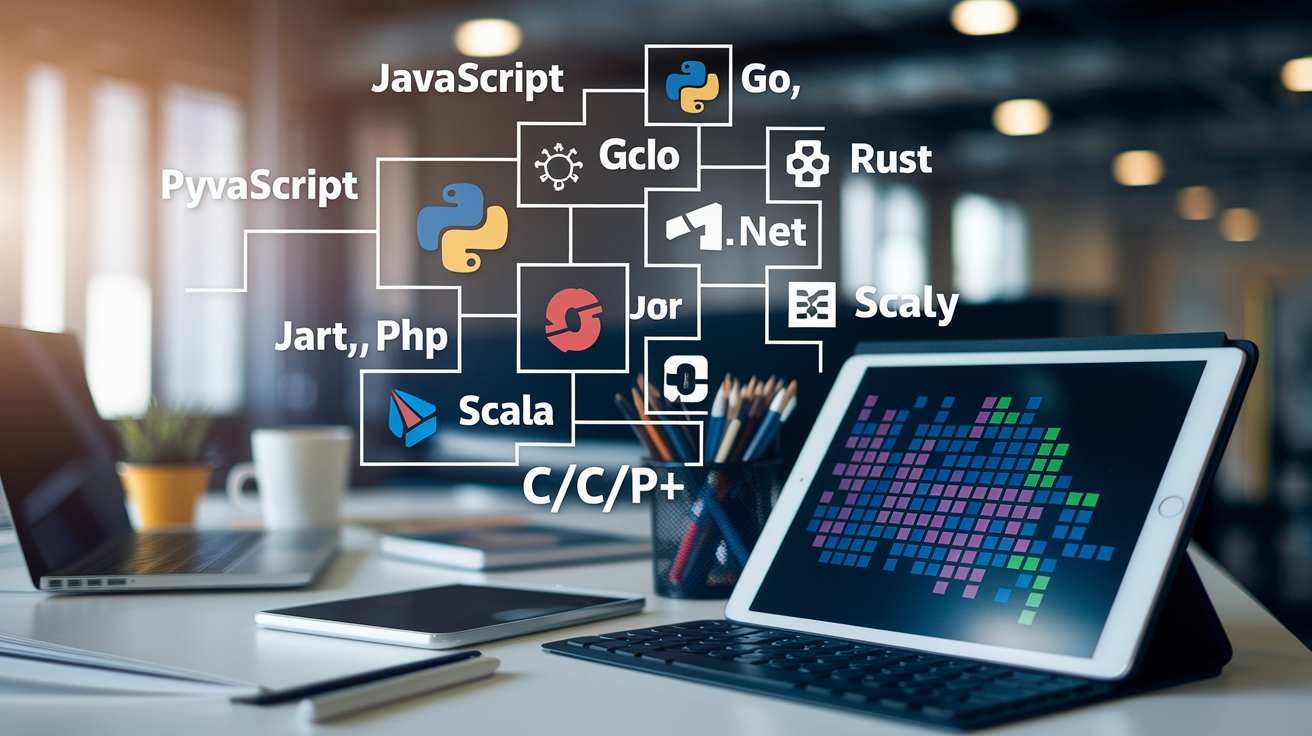
Programming language coverage matters because SCA tools can only analyze dependencies for languages and package managers they understand. A tool that excels at JavaScript and Python analysis but lacks support for Go or Rust becomes useless for polyglot teams. Most SCA tools parse package manager definition files like requirements.txt for Python, package.json for JavaScript, pom.xml for Maven-based Java projects, CPANfile for Perl, and gemfile for Ruby. The quality of this parsing varies, with some tools supporting only the most common package managers while others handle edge cases like Poetry for Python or Yarn workspaces for JavaScript.
Aikido provides broad language support including JavaScript, Python, Go, Rust, Java, .NET, PHP, Ruby, Scala, Dart, and C/C++ with no lockfile dependency required for C++ and .NET projects. This lockfile-free scanning capability matters for compiled languages where traditional SCA tools struggle without explicit dependency declarations. Semgrep supports over 25 programming languages and features over 40,000 pre-built rules in its registry, making it particularly powerful for organizations with diverse tech stacks. Socket Security provides language support limited to JavaScript, Python, and Go dependencies, focusing on depth over breadth for modern web application stacks.
Container scanning and Docker image analysis extend SCA beyond source code to production artifacts. Containers often include dependencies installed through system package managers like apt or yum rather than language-specific tools, requiring different analysis techniques. Tools that scan container images can identify vulnerabilities in base images, system libraries, and application dependencies in a single pass. This matters increasingly as organizations shift to containerized deployments where the runtime environment includes more than just application code.
CI/CD Integration and Developer Workflow Impact

CI/CD integration determines whether SCA tools slow down or seamlessly fit into existing development workflows. Integration with CI/CD platforms like GitHub Actions, GitLab, Jenkins, and Bitbucket enables real-time scanning without slowing pipelines, catching vulnerabilities before code reaches production. Tools that require manual uploads or separate scanning processes create friction that discourages frequent checks. For teams focused on building secure development workflows, the principles outlined in CI/CD Security Best Practices provide essential context for evaluating integration capabilities and pipeline security.
IDE integration capabilities allow developers to catch vulnerabilities during coding rather than waiting for pipeline scans. Plugins for Visual Studio Code, IntelliJ IDEA, and other popular IDEs highlight vulnerable dependencies with inline warnings and suggested fixes. This shift-left approach catches issues when they’re cheapest to fix, before code review or CI/CD stages. Some tools provide real-time feedback as developers add dependencies, while others require manual scans triggered from within the IDE.
Repository platform support spans GitHub, GitLab, Bitbucket, and Azure DevOps, with varying levels of integration depth. Basic integration might involve webhook triggers that scan on each commit, while advanced integration includes pull request comments with vulnerability details, automated PR generation for dependency updates, and branch protection rules that block merges if high-severity vulnerabilities are detected. Integration options span Git repositories, cloud environments, and development tools, creating comprehensive coverage across the software development lifecycle.
Notification and ticketing integrations with Slack, Jira, GitHub Actions, Azure DevOps, and GitLab help security findings reach the right teams without context switching. Alerts posted to team Slack channels with one-click links to remediation details get addressed faster than vulnerabilities buried in dashboard interfaces that require separate logins. Jira integration creates tickets automatically for high-severity findings, ensuring vulnerabilities enter existing issue tracking workflows rather than requiring separate processes.
License Compliance Management Comparison
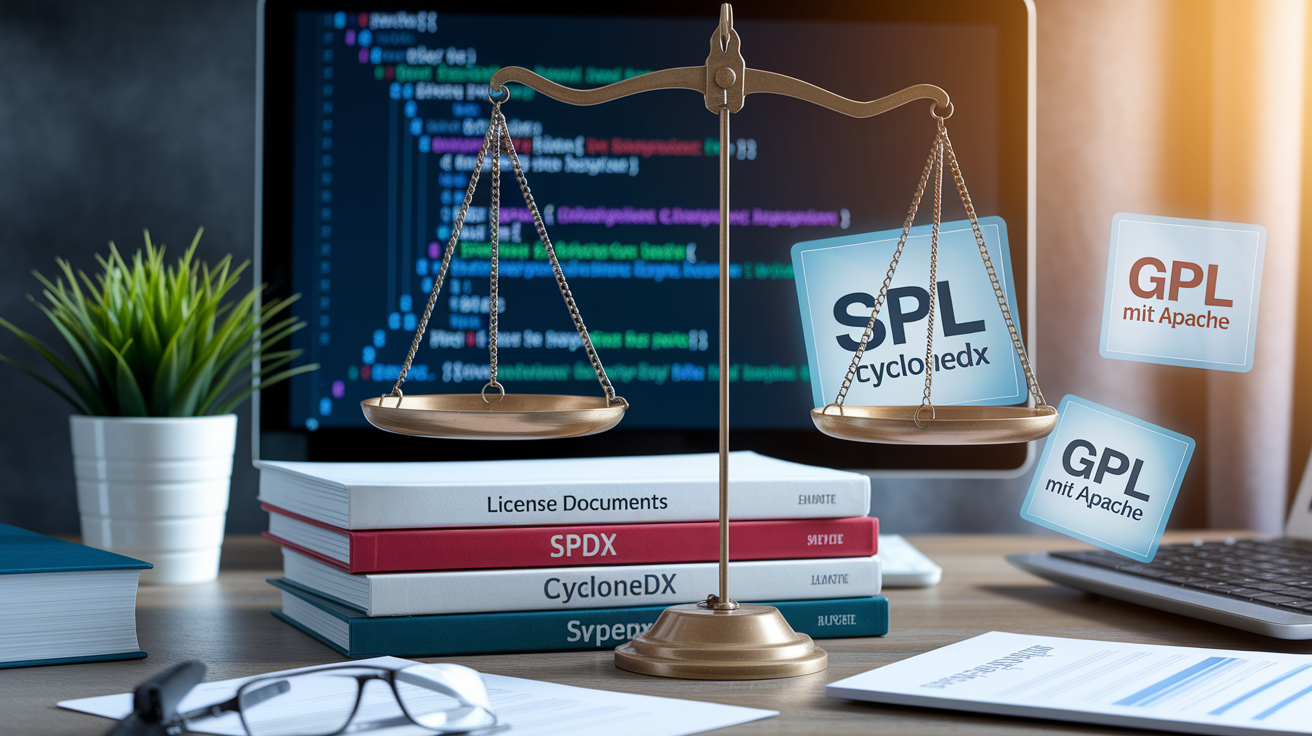
License compliance challenges extend beyond simple identification of which licenses apply to which components. Dependencies may feature multiple top-level licenses where the package maintainer allows choosing between GPL, MIT, or Apache licenses based on your needs. Embedded licenses within dependency code can conflict with the overall package license when maintainers include third-party code without proper licensing attribution. Third-party code included without proper licensing creates legal risk when license obligations aren’t tracked or honored in distribution.
Vendor capabilities for license detection and policy enforcement vary in sophistication and accuracy. Basic tools extract license information from package metadata and definition files, missing licenses embedded in source code comments or separate LICENSE files. Advanced tools scan actual source code for license headers, SPDX identifiers, and copyright notices, catching licenses that package metadata omits. Policy enforcement mechanisms allow defining which licenses are acceptable, which require legal review, and which are prohibited based on organizational risk tolerance and business model.
Automated license scanning examines package metadata, LICENSE files, source code headers, and embedded third-party components for comprehensive coverage. Policy-as-code definition allows teams to specify approved, reviewed, and prohibited licenses with automated enforcement in CI/CD pipelines. Conflict detection identifies when dependency licenses conflict with each other or with the overall application license requirements. Attribution generation creates the license notices and attribution files required for compliance when distributing applications. License change tracking monitors when dependencies update their licenses between versions, which can introduce new compliance obligations. Legal workflow integration routes license issues to legal teams for review when automated policies can’t determine compliance.
SBOM (Software Bill of Materials) generation capabilities support compliance requirements by creating machine-readable inventories of all components and their licenses. Most enterprise tools support SPDX and CycloneDX formats for SBOM generation, which are increasingly required by government contracts and regulated industries. License compliance management using OWASP best practices reduces legal risk across open source dependencies by ensuring all license obligations are identified, tracked, and honored.
Security Features Beyond Basic Vulnerability Scanning

The evolution beyond basic CVE scanning reflects the changing threat landscape where both vulnerabilities and software supply chain attacks are growing at unprecedented levels. Basic vulnerability scanners match package versions against CVE databases, flagging known issues but missing malicious packages, compromised dependencies, and supply chain attacks that don’t have assigned CVEs. Modern threats include typosquatted packages with names similar to popular libraries, legitimate packages hijacked through compromised maintainer accounts, and dependencies that phone home to attacker-controlled servers.
Malware detection capabilities separate basic SCA tools from comprehensive supply chain security platforms. Only Xygeni offers exclusive real-time behavior-based malware scanning across open source dependencies and DevOps workflows, analyzing package behavior for malicious patterns rather than relying solely on signature-based detection. This catches novel attacks that traditional signature matching misses. Snyk lacks malware detection and focuses only on known CVEs with no anomaly detection or build integrity features, leaving gaps in supply chain attack prevention.
Supply chain attack prevention features include monitoring for suspicious package updates, detecting when packages phone home to unexpected domains, identifying cryptocurrency mining code, and flagging packages that request excessive permissions. Black Duck can’t proactively detect or block malware despite strong license compliance features. Veracode lacks capability to identify or block malicious open source components in real time, focusing primarily on application security testing rather than dependency supply chain risks.
Runtime security monitoring and behavior analysis track library behavior during testing and production environments, catching attacks that only manifest at runtime. Oligo Security uses eBPF-based profiling for Linux kernel-level monitoring of runtime behavior, providing visibility into network connections, file system access, and system calls made by dependencies. DeepFactor runtime reachability analysis currently supports PHP, Kotlin, Go, Ruby, and Scala, observing which dependency code actually executes to improve reachability analysis accuracy. Runtime monitoring capabilities differentiate advanced tools by tracking library behavior during testing and production environments.
Reporting Capabilities and Dashboard Features
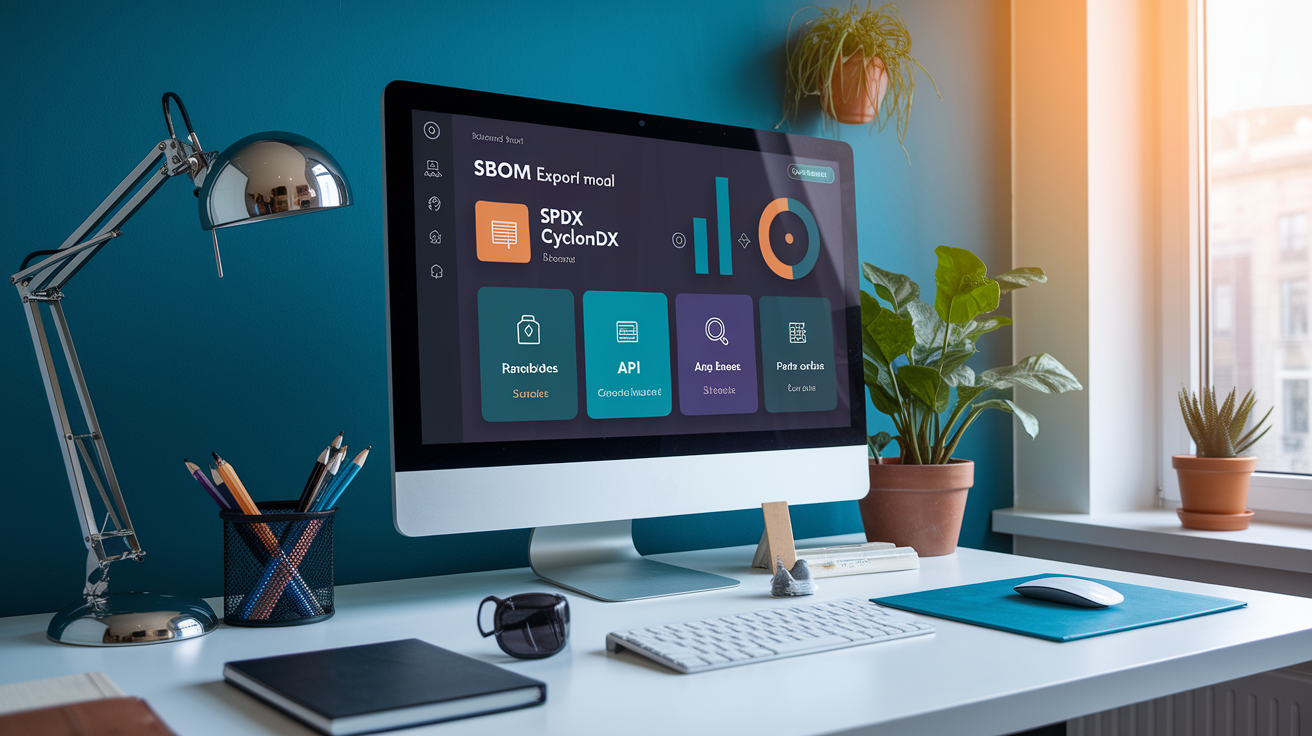
Dashboard usability and data visualization impact how quickly security and development teams can understand and act on findings. Well-designed dashboards surface the most critical vulnerabilities first, provide clear remediation paths, and allow filtering by severity, exploitability, reachability, or affected components. Cluttered interfaces that dump every finding without prioritization or context create analysis paralysis. Visualization features like dependency graphs, vulnerability trend charts, and remediation progress metrics help teams understand security posture at a glance.
Compliance report generation supports audit requirements and regulatory mandates through SBOM generation, audit trail documentation, and license compliance reports. SBOM generation is available in most enterprise tools supporting SPDX and CycloneDX formats for compliance with government contracts, medical device regulations, and automotive industry standards. Historical tracking and audit trails document what vulnerabilities existed when, when they were detected, what remediation actions were taken, and by whom. Policy-as-code capabilities allow teams to define and enforce security rules across repositories and pipelines, with reports showing compliance rates and policy violations.
API access for custom reporting enables integration with existing security information and event management systems, data warehouses, and custom dashboards. Pipeline Bill of Materials (PBOM) in OX Security offers pipeline-level visibility beyond traditional SBOMs, tracking not just application components but also build tools, CI/CD plugins, and infrastructure dependencies that contribute to the software supply chain.
Deployment Options and Enterprise Scalability
Cloud-hosted SaaS deployment models offer the fastest setup with no infrastructure requirements, automatic updates, and vendor-managed scaling. Organizations upload code or grant repository access, and scans run on vendor infrastructure without installing or maintaining anything. This works well for teams comfortable with code leaving their environment and trusting vendor security controls. On-premises deployment gives organizations complete control over where code and scan results reside, meeting requirements for air-gapped environments, regulated industries, or organizations with strict data residency policies. Black Duck may have heavy operational overhead for deployment and scaling when self-hosted, requiring dedicated infrastructure and ongoing maintenance.
Scanning performance and resource requirements vary significantly across vendors based on architecture choices. Aikido completes scans in under two minutes even on large repositories, using efficient algorithms and parallel processing to minimize pipeline impact. Some tools require significant CPU and memory for dependency graph construction and vulnerability matching, potentially bottlenecking CI/CD pipelines or requiring dedicated scanning infrastructure. JFrog Xray is tightly coupled to the JFrog ecosystem with limited standalone use, performing efficiently when integrated with JFrog Artifactory but requiring additional components for full functionality.
Enterprise scalability considerations for large organizations include multi-tenant isolation for different teams or business units, role-based access control for hundreds of users, and performance at scale across thousands of repositories and millions of dependencies. Sonatype Lifecycle requires separate IQ Server license and fragmented pricing across modules, with components that must be sized and scaled independently. Resource consumption varies significantly across vendors, with some tools caching dependency data to speed repeated scans while others reanalyze everything on each run.
Technical Support and Documentation Quality
Documentation comprehensiveness and clarity determine how quickly teams can implement tools and troubleshoot issues without vendor assistance. High-quality documentation includes setup guides for common environments, integration examples for popular CI/CD platforms, API reference documentation for custom integrations, and troubleshooting guides for common issues. Vendors with mature products typically offer more complete documentation, while newer entrants may have gaps or rely heavily on direct support for implementation assistance.
Support tiers and response times range from community forums for free or low-tier plans to dedicated customer success managers for enterprise customers. Implementation time varies significantly across vendors based on documentation quality, configuration complexity, and how well the tool fits existing workflows. Learning curves impact adoption rates and time-to-value, with some platforms requiring extensive policy configuration and tuning to reduce false positives to acceptable levels. Tools with sensible defaults and progressive disclosure of advanced features get teams productive faster than those requiring deep configuration before first use.
Training resources and community support supplement official documentation through vendor-provided training programs, certification courses, user conferences, community forums, and third-party resources. Vendor reputation and market leadership influence support quality, with established vendors offering more mature support organizations and documented best practices. Community resources supplement official documentation for popular tools, with users sharing integration examples, custom rules, and lessons learned through blog posts, GitHub repositories, and Stack Overflow answers.
Final Words
Every SCA tools comparison comes down to matching your team’s specific needs with the right feature set and pricing model.
Whether you need fast scans with minimal false positives, comprehensive malware detection, or budget-friendly options for open-source projects, this breakdown gives you the evaluation framework to make an informed decision.
Start with your top priority (speed, accuracy, license compliance, or cost), narrow down to two or three vendors that fit, then run a proof-of-concept with real repositories.
The right SCA tool reduces noise, speeds up remediation, and keeps your software supply chain secure without slowing down shipping.
FAQ
What are the three core functions SCA tools provide?
SCA tools provide three core functions: generating complete manifests of all open-source components in your codebase, listing the open-source licenses associated with each component, and identifying known security vulnerabilities present in those dependencies.
Why do organizations need comparative analysis of SCA tools?
Organizations need comparative analysis of SCA tools because over 85% of application code comes from open-source components, making accurate vulnerability detection, license compliance, and tool selection critical for reducing security risk while avoiding wasted effort on false positives.
What causes false positives in SCA tool outputs?
False positives in SCA tools arise when organizations ship unused dependencies like test harnesses or development libraries, causing the tool to flag vulnerabilities in code that never actually executes in production environments.
What causes false negatives in SCA scanning?
False negatives occur when SCA tools miss dependencies that aren’t explicitly defined in package definition files, excluding them from scan results even though the vulnerable code is present and potentially exploitable in the application.
How does reachability analysis reduce vulnerability noise?
Reachability analysis identifies whether vulnerable code paths are actually accessible during runtime, helping development teams avoid wasting time investigating and fixing vulnerabilities in code sections that can never execute in their specific application context.
What is EPSS scoring and how does it improve risk assessment?
EPSS (Exploit Prediction Scoring System) measures the actual likelihood that a vulnerability will be exploited in the wild, and when combined with traditional CVSS severity scoring, provides more accurate risk prioritization than severity alone.
Which SCA tools are best for startups with limited budgets?
Aikido and Socket are recommended SCA tools for startups because they offer competitive pricing, fast implementation, and focus on reducing noise so small teams aren’t overwhelmed by false positives or vulnerabilities in unused code paths.
Which SCA tools work best for open-source projects?
Semgrep and Snyk’s free tier are recommended for open-source projects because they provide robust scanning capabilities without requiring paid enterprise licenses, making them accessible for community-maintained codebases with limited or no budgets.
Which SCA tool offers real-time malware detection?
Xygeni is the only SCA tool offering exclusive real-time behavior-based malware scanning across open-source dependencies, detecting malicious packages before they enter your codebase rather than relying solely on known CVE databases.
How much does Black Duck cost per user?
Black Duck starts at $525 per year per team member with a 20-user minimum commitment, which means the minimum annual cost for a small team is $10,500 before adding any additional modules or features.
What pricing model do most SCA tools use?
Most SCA tools use contributor-based or per-developer pricing models, which cause costs to scale rapidly as team size grows, making it essential to understand how your specific team structure will impact long-term expenses.
What is the median SCA contract value per year?
The median SCA contract value is $18,633 per year, though actual costs vary significantly based on team size, chosen vendor, required features, and whether you need additional modules like container scanning or malware detection.
How fast does Aikido complete repository scans?
Aikido completes scans in under two minutes even on large repositories, making it one of the fastest SCA tools available and reducing the impact on CI/CD pipeline performance during automated security checks.
How large is Snyk’s vulnerability database?
Snyk maintains a database of over 10 million open-source vulnerabilities and evaluates over 1 million open-source packages through Snyk Advisor, providing one of the most comprehensive coverage options for vulnerability detection across ecosystems.
What is MTTR for vulnerability remediation?
Mean Time To Remediate (MTTR) for vulnerabilities is typically measured in weeks or months, making automated remediation features and accurate prioritization critical for reducing the window of exposure to exploitable security issues.
How does Xygeni’s remediation engine prevent breaking changes?
Xygeni’s remediation engine analyzes version changes line-by-line to detect breaking changes, deleted methods, and API modifications before merging suggested fixes, preventing automated remediation from introducing new bugs or compatibility issues into production code.
Which SCA tools offer automated pull request generation?
Leading SCA tools including Snyk, Aikido, and several enterprise platforms offer automated pull request generation that suggests specific fixes or dependency updates, allowing developers to remediate vulnerabilities with minimal manual investigation and code changes.
Which programming languages does Aikido support?
Aikido provides language support for JavaScript, Python, Go, Rust, Java, .NET, PHP, Ruby, Scala, Dart, and C/C++, with no lockfile dependency required for C/C++ scanning, covering most common development stacks.
What languages does Socket Security support?
Socket Security language support is limited to JavaScript, Python, and Go dependencies, making it suitable for web-focused teams but potentially inadequate for organizations with polyglot codebases requiring broader language coverage.
How many programming languages does Semgrep support?
Semgrep supports over 25 programming languages and features over 40,000 pre-built rules, providing extensive coverage across different ecosystems and enabling consistent security policy enforcement regardless of technology stack choices.
Why is CI/CD integration critical for SCA tool adoption?
CI/CD integration is critical because it enables real-time scanning without slowing development pipelines, catching vulnerabilities before they reach production while maintaining developer velocity and avoiding friction that would discourage consistent security practices.
Which platforms do SCA tools integrate with?
SCA tools integrate with IDEs, Git repositories (GitHub, GitLab, Bitbucket), CI/CD pipelines (Jenkins, GitHub Actions, Azure DevOps), containers, cloud environments, and notification systems like Slack and Jira for comprehensive workflow coverage.
What license compliance challenges do SCA tools address?
SCA tools address license compliance challenges including dependencies with multiple conflicting top-level licenses, embedded licenses that contradict overall package licenses, and third-party code included without proper licensing documentation or attribution.
What SBOM formats do enterprise SCA tools support?
Most enterprise SCA tools support SBOM generation in both SPDX and CycloneDX formats, the two widely accepted standards for software bill of materials documentation required for regulatory compliance and supply chain transparency.
What is policy-as-code in SCA tools?
Policy-as-code capabilities allow teams to define and automatically enforce security rules across repositories using version-controlled configuration files, ensuring consistent vulnerability thresholds, license requirements, and compliance standards without manual review overhead.
Why is basic CVE scanning insufficient for modern security?
Basic CVE scanning is insufficient because software supply chain attacks and malicious packages are growing at unprecedented levels, requiring proactive malware detection and runtime behavior monitoring beyond simple database matching of known vulnerabilities.
Which SCA tools offer runtime security monitoring?
Oligo Security and DeepFactor offer runtime security monitoring using eBPF-based profiling for Linux kernel-level tracking of library behavior during testing and production environments, detecting malicious activity that static analysis alone would miss.
Can Snyk detect malware in open-source packages?
Snyk lacks dedicated malware detection capabilities and focuses only on known CVEs from vulnerability databases, meaning it cannot proactively identify or block malicious packages that haven’t been catalogued as security vulnerabilities.
What is a Pipeline Bill of Materials?
Pipeline Bill of Materials (PBOM) in tools like OX Security offers pipeline-level visibility beyond traditional SBOMs by documenting the entire build and deployment process, not just final component inventory, for complete supply chain transparency.
Do SCA tools offer API access for custom reporting?
Most enterprise SCA tools provide API access for custom reporting, enabling organizations to integrate security data into existing dashboards, compliance systems, or custom analytics platforms for unified visibility across security tooling.
What deployment options do SCA tools support?
SCA tools support both cloud-hosted SaaS deployments for quick setup and on-premises installations for organizations with strict data residency requirements, though specific availability and feature parity varies significantly across vendors.
Does Black Duck have high operational overhead?
Black Duck may have heavy operational overhead for deployment and scaling compared to newer cloud-native alternatives, requiring more infrastructure resources and maintenance effort particularly for self-hosted enterprise installations.
How does JFrog Xray integrate with other tools?
JFrog Xray is tightly coupled to the JFrog ecosystem with limited standalone use, making it ideal for organizations already using JFrog Artifactory but potentially awkward for teams using different artifact management solutions.
What impacts SCA tool adoption rates?
Learning curve impacts adoption rates and time-to-value significantly, with complex tools requiring extensive training leading to slower rollout and lower developer engagement compared to intuitive solutions with clear documentation and quick onboarding.