


npm audit catches known vulnerabilities, but what about malicious packages that aren’t in any database yet? The truth is npm audit only checks one vulnerability source, can’t detect supply chain attacks, and treats every issue the same regardless of whether vulnerable code actually runs in your app. You need tools that monitor continuously, catch malware before installation, integrate with your CI/CD pipeline, and prioritize based on real risk. This guide covers six npm audit alternatives that fill those gaps, from free open source options to enterprise platforms with behavioral analysis.
Top npm Audit Alternatives: Quick Comparison Overview
Several robust alternatives address npm audit’s core limitations, offering capabilities ranging from malware detection to enterprise policy enforcement.
These tools fill critical gaps that npm audit can’t handle. Continuous monitoring instead of one-off scans. Detection of malicious packages and supply chain attacks. Integration with CI/CD pipelines for automated checks. And context-based prioritization that reduces alert fatigue.
| Tool | Primary Strength | Pricing Model | Best For |
|---|---|---|---|
| Snyk | Comprehensive multi-language platform with proprietary vulnerability research | Free tier for open source; paid plans for private projects | Teams needing automated fix PRs and precision patches |
| Socket Security | Supply chain attack detection and malware identification | Free for open source; usage-based paid plans | Projects concerned with malicious packages and install scripts |
| Dependabot | GitHub-native automated dependency updates | Free for all GitHub repositories | GitHub users wanting zero-configuration automation |
| OWASP Dependency-Check | Open source scanning with National Vulnerability Database coverage | Completely free and open source | Teams requiring free tools with multi-language support |
| Sonatype Nexus | Enterprise repository security with policy enforcement | Enterprise licensing with flat-rate pricing | Organizations managing private artifact repositories |
| JFrog Xray | Deep recursive artifact analysis integrated with Artifactory | Enterprise licensing based on repository size | Teams already using JFrog ecosystem for artifact management |
npm audit’s fundamental limitations drive developers toward these alternatives. It only checks the GitHub Advisory Database for known security vulnerabilities. Provides no malware detection capabilities. Requires manual command-line invocation rather than continuous monitoring. Treats all vulnerabilities equally without context-based prioritization. And it can’t detect emerging supply chain attacks or zero-day exploits. Modern JavaScript projects frequently depend on 600 packages when developers believe they’re only using 40, creating massive attack surfaces that manual npm audit scans can’t adequately protect.
You need alternatives that provide continuous monitoring as packages are updated or uploaded to repositories. Seamless CI/CD integration that checks every pull request and build. Malware detection for malicious install scripts and data exfiltration attempts. Better false positive management through reachability analysis that identifies which vulnerable code paths actually execute in production. Comprehensive reporting for security teams and compliance auditors. And automated remediation via pull requests that apply fixes without manual intervention.
Snyk: Comprehensive Security Platform for npm Packages

Snyk positions itself as an enterprise-grade solution with a dedicated security research team that maintains a proprietary vulnerability database, discovering critical issues like the Zip Slip vulnerability (affecting Apache Hadoop, Apache Hive, and Pivotal Spring) before public disclosure. This early detection capability provides teams with advance warning and remediation time that npm audit can’t offer.
The platform offers precision patches for vulnerabilities that can’t be resolved through standard version upgrades. A unique capability that addresses situations where no fixed version exists or upgrading would introduce breaking changes. Snyk supports multiple development stacks including JavaScript, Java, .Net, Ruby, Python, PHP, Golang, and Scala, making it suitable for polyglot codebases. In comparative testing with the goof vulnerable application, Snyk reports 36 issues and 82 vulnerable paths while npm audit reports 53 vulnerabilities, demonstrating different detection methodologies and database coverage.
Snyk integrates with git-based source control systems including GitHub, GitLab, and BitBucket to send automated fix pull requests when new vulnerabilities are discovered or remediation becomes available. This automation eliminates manual monitoring and allows teams to receive, review, and merge security fixes within their standard development workflow. The platform continuously monitors dependencies and generates pull requests as new information becomes available.
Pricing considerations include free access for open source projects and a limited free tier for private code, making Snyk accessible for individual developers and small teams. But the platform can become extremely expensive for medium to large companies as pricing scales with the number of projects, repositories, and team members. Enterprise features require paid plans, creating potential budget constraints for growing organizations.
Socket Security: Protection Against Supply Chain Attacks

Socket Security takes a fundamentally different approach from database-matching tools like npm audit by analyzing package behavior rather than comparing against known vulnerability lists. The platform monitors install scripts, network calls, filesystem access patterns, and obfuscated code to detect malicious packages before they execute in development or production environments.
Real-time monitoring capabilities caught multiple npm compromises in the past year including Shai Hulud, S1ngularity, the September npm malware outbreak, and the React-Native-Aria trojan. Attacks that npm audit couldn’t detect because they weren’t in the GitHub Advisory Database at the time of discovery. With 1,300 malicious packages identified on NPM within just six months and severe vulnerabilities affecting packages downloaded 12 million times per month, behavioral analysis provides protection against emerging threats that signature-based scanning misses entirely.
Socket detects specific threat types that npm audit can’t identify:
Install scripts that execute arbitrary code during package installation. Obfuscated code designed to hide malicious intent from human reviewers. Network exfiltration attempts that send data to external servers. Environment variable access that harvests credentials and API tokens. Filesystem manipulation that modifies project files or system configurations.
The platform integrates directly into pull request workflows to block malicious packages before merge, displaying clear explanations of detected behaviors and risk assessments. This shift-left approach prevents supply chain attacks from entering the codebase rather than detecting them after installation.
Dependabot: GitHub-Native Automated Vulnerability Updates

Dependabot offers the most seamless experience for GitHub users, requiring zero setup beyond repository activation. No additional accounts, installations, or API tokens needed. The tool is built directly into GitHub’s infrastructure and automatically enabled for public repositories, making it the lowest-friction option for teams already using GitHub for version control.
Automated pull requests appear when vulnerabilities are detected in dependencies or when new versions become available, with configurable merge strategies that allow teams to define when and how updates are applied. You can set auto-merge rules for patch-level updates while requiring manual review for minor or major version changes that might introduce breaking changes.
Customization options via dependabot.yml files provide control over update scheduling (daily, weekly, monthly), versioning rules using semver ranges, ignored dependencies that shouldn’t be automatically updated, and commit message preferences for consistency with team conventions. This configuration flexibility allows you to balance security automation with stability requirements.
Limitations compared to commercial alternatives include reliance solely on the GitHub Advisory Database without proprietary research or early vulnerability detection. Basic reporting capabilities without detailed risk analysis or reachability information. No malware detection or supply chain attack prevention. And no reachability analysis to determine if vulnerable code paths are actually executed in production code.
OWASP Dependency-Check: Open Source Scanning Alternative

OWASP Dependency-Check provides a completely free, open source option that identifies project dependencies and checks for known vulnerabilities against the National Vulnerability Database, offering broader coverage than npm audit’s GitHub Advisory Database focus. The tool supports multiple languages beyond JavaScript, making it suitable for polyglot projects that npm audit can’t fully cover.
Installation methods include CLI usage via standalone installation, Maven plugin integration for Java-based build systems, or Gradle plugin for Android and other Gradle-managed projects. Basic command structure for scanning projects involves running dependency-check --project "ProjectName" --scan /path/to/project --format HTML which analyzes the specified directory and generates detailed HTML reports with vulnerability information, severity ratings, and remediation guidance.
Comparing advantages and disadvantages reveals tradeoffs between cost and convenience. Advantages include completely free usage with no commercial restrictions, multi-language and multi-ecosystem support covering more than just npm packages, detailed HTML reports with comprehensive vulnerability information and Common Vulnerabilities and Exposures (CVE) references, and National Vulnerability Database coverage that sometimes includes entries missing from GitHub’s database. Disadvantages include slower scan times as the tool downloads and updates the entire NVD database locally, higher false positive rates requiring manual triage and verification, more manual configuration compared to cloud-based commercial tools with sensible defaults, and a steeper learning curve for teams unfamiliar with command-line security tooling.
Sonatype Nexus and JFrog Xray: Enterprise Repository Security
Enterprise platforms that combine artifact repository management with integrated security scanning provide value for organizations already managing private npm registries, Maven repositories, or Docker registries. This repository-integrated approach scans all artifacts as they’re stored, preventing vulnerable packages from ever being consumed by development teams.
Sonatype’s Nexus Platform includes four main components that work together for comprehensive security. Nexus Container for Docker image scanning and vulnerability detection. Nexus Lifecycle for continuous vulnerability monitoring across the software development lifecycle. Nexus Firewall for policy-based blocking of risky components before they enter repositories. And Nexus Repository for centralized artifact storage and distribution. Policy enforcement allows security teams to define rules that automatically block components with critical vulnerabilities, license violations, or age thresholds, creating automatic gates that prevent policy-breaking components from reaching developers. Integration with GitHub, GitLab, and Atlassian Bitbucket enables automatic pull requests for policy-breaking components, though the user interface is complex and not intuitive for first-time users despite supporting all package types.
JFrog Xray provides deep recursive scanning of actual binary artifacts stored in JFrog Artifactory rather than just analyzing manifest files like package.json. This binary-level analysis detects issues in transitive dependencies even when metadata is incomplete or missing, a common problem with npm packages that lack complete dependency declarations. The platform performs recursive impact analysis to trace how a single vulnerable component affects multiple projects across the organization, helping prioritize remediation based on actual usage patterns.
| Feature | Sonatype Nexus | JFrog Xray |
|---|---|---|
| Repository Integration | Nexus Repository with all package formats | Deep JFrog Artifactory integration with binary analysis |
| Policy Enforcement | Nexus Firewall blocks risky components automatically | Custom policies with impact analysis across projects |
| Deep Scanning | Lifecycle analysis across development stages | Binary-level recursive scanning of actual artifacts |
| Multi-Format Support | All major package types and container formats | 20+ package formats including npm, Maven, PyPI, Docker |
| Best For | Organizations needing policy-based security gates | Teams already invested in JFrog ecosystem |
WhiteSource/Mend: License Compliance and Security Analysis

License compliance matters alongside security scanning because npm audit only checks for security vulnerabilities while license violations create legal risk for commercial software products. Using GPL-licensed packages in proprietary commercial applications can create license conflicts requiring source code disclosure, while copy-left licenses like AGPL impose requirements that many organizations can’t meet. Legal departments and compliance teams need visibility into open source licenses just as much as security teams need vulnerability information.
WhiteSource/Mend provides automated license detection that scans all dependencies including transitive packages. Risk scoring that categorizes licenses as permissive (MIT, Apache, BSD) versus copyleft (GPL, AGPL, LGPL). Policy configuration allowing organizations to define acceptable and prohibited licenses. And remediation suggestions that identify alternative packages with compatible licenses when violations are detected. The platform continuously monitors for license changes in package updates, alerting teams when a previously acceptable dependency adopts a more restrictive license in newer versions.
This capability is essential for enterprises with strict compliance requirements such as SOC2 audits that require complete software bill of materials documentation, HIPAA-regulated healthcare applications where license violations could create audit failures, legal departments reviewing all open source usage before commercial releases, and commercial products embedding open source code that must ensure license compatibility before distribution. WhiteSource/Mend combines security vulnerability scanning with license compliance in a single platform, eliminating the need for separate tools and creating unified risk reporting.
Evaluating Security Scanner Features and Capabilities

Different tools excel in different areas, and selection depends on specific team needs and priorities rather than universal “best” rankings. Marketing materials often emphasize strengths while downplaying limitations, making thorough evaluation across multiple criteria essential before committing to a platform.
The false positive problem represents a critical evaluation criterion because 65% of teams admit to bypassing or delaying fixes due to noise and alert fatigue according to the State of AI in Security & Development 2026 report. Tools that report every vulnerability in the dependency tree without context-based prioritization create overwhelming lists where critical production risks are buried among theoretical issues in development dependencies. This leads to security teams ignoring reports entirely or developers learning to dismiss security warnings as “just noise,” defeating the purpose of automated scanning.
Key evaluation criteria for selecting npm audit alternatives:
Comprehensive coverage across multiple vulnerability databases (GitHub Advisory, National Vulnerability Database, proprietary research) to detect issues as early as possible. Seamless integration capabilities with existing development workflows including GitHub/GitLab, CI/CD systems, Slack notifications, and ticketing systems. Low false positive rates achieved through reachability analysis that determines if vulnerable code paths actually execute in your application. Quality reporting designed for multiple audiences, including technical details for developers, executive summaries for management, compliance documentation for auditors. Transparent pricing without hidden costs for additional repositories, increased scan frequency, or team member expansion. Cutting-edge detection technology including malware identification, supply chain attack prevention, and behavioral analysis beyond signature matching. Intuitive user interface requiring minimal training and configuration to get developers actually using the tool rather than bypassing it.
Implementation Guide: CI/CD Integration and Automated Workflows
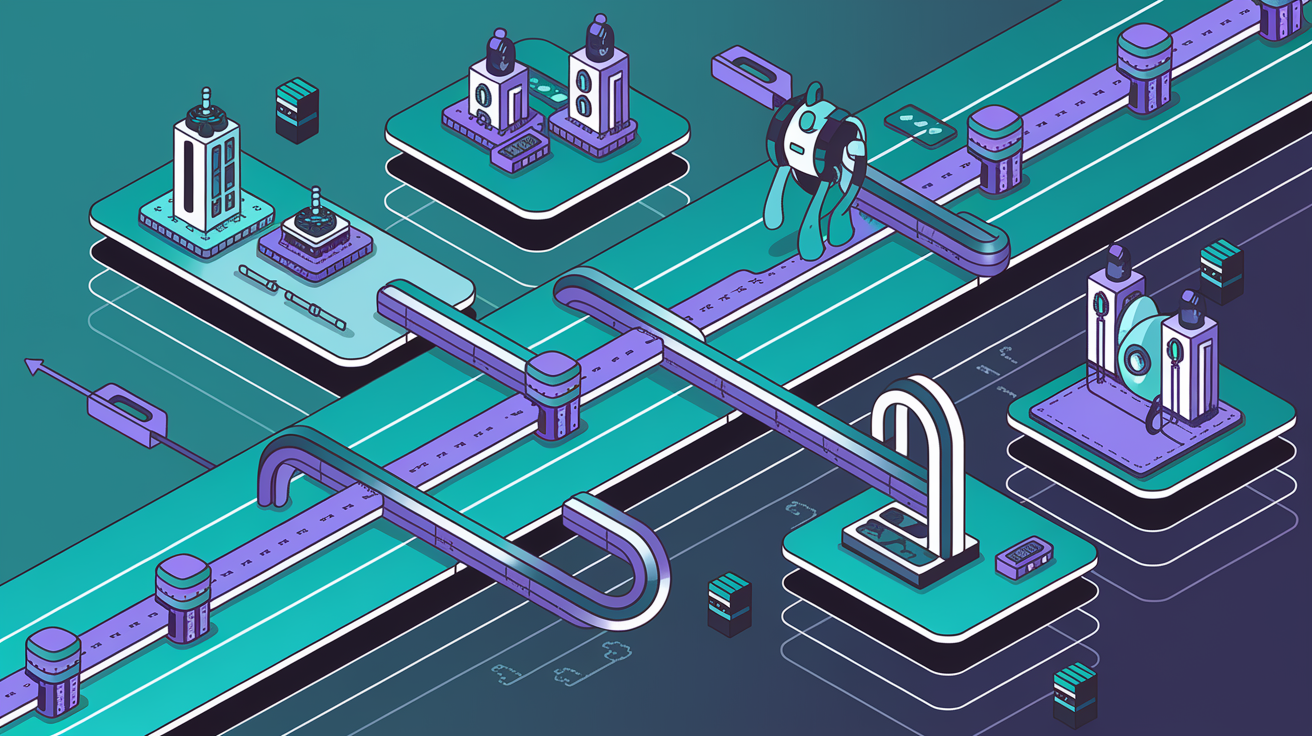
Shift-left security moves vulnerability detection earlier in the development lifecycle, finding issues during pull requests rather than after deployment. Continuous monitoring provides ongoing protection as new vulnerabilities are disclosed in existing dependencies, eliminating the gap between vulnerability publication and discovery in your codebase.
Common Integration Points and Workflows
Integration options span the entire development lifecycle with different tradeoff profiles. Pre-commit hooks scan local changes before code reaches version control, catching issues immediately but adding time to every commit. Pull request checks run when code is proposed for merge, providing fast feedback without blocking local development but potentially delaying PR approval. CI build pipeline steps execute as part of automated builds, creating centralized enforcement but only after code is already in the repository. Deployment gates prevent releases containing critical vulnerabilities from reaching production, offering final protection but creating potential deployment delays. Scheduled scans run periodically against main branches, monitoring for newly disclosed vulnerabilities in unchanged code.
Blocking versus non-blocking modes determine whether security failures stop the pipeline or simply create warnings. Non-blocking mode reports vulnerabilities without preventing merges or deployments, suitable for initial rollout when establishing baselines and during team training periods. Blocking mode fails builds or prevents deployments when vulnerabilities exceed configured severity thresholds, enforcing security requirements after teams have addressed existing technical debt.
Automated Remediation and Fix Pull Requests
Tools like Snyk, Dependabot, and Sonatype generate automated fix pull requests when vulnerabilities are detected, proposing version upgrades that resolve security issues. Configuration for auto-merge rules allows teams to automatically merge patch-level updates (1.2.3 → 1.2.4) that are unlikely to introduce breaking changes while requiring manual review for minor (1.2.0 → 1.3.0) or major (1.0.0 → 2.0.0) version updates that might affect application functionality.
Review workflows for breaking changes require developers to examine automated PRs, run test suites to verify functionality remains intact, review CHANGELOG files for migration guidance, and manually merge after validation. Some tools provide automated testing integration that merges PRs only if all tests pass, combining security automation with quality assurance.
Migration Roadmap from npm audit
A six-step migration process minimizes disruption while establishing robust security practices:
Evaluation and tool selection using criteria outlined earlier, including proof-of-concept testing on representative projects. Pilot project testing on 2-3 projects to validate configuration, understand scan results, and train initial team members. Baseline scan and triage to document existing vulnerabilities, assess remediation effort, and establish acceptable risk thresholds. CI/CD integration in non-blocking mode to collect data without breaking existing workflows and build team familiarity. Team training and workflow documentation covering how to interpret scan results, remediation procedures, and escalation paths for blocked builds. Enforcement and blocking mode activation after baseline issues are addressed and teams demonstrate proficiency.
Threshold configuration should fail builds only on critical and high severity issues during initial rollout, preventing overwhelming teams with hundreds of medium and low severity findings that create alert fatigue. Gradually expand blocking to include medium severity issues as teams demonstrate consistent remediation velocity and false positive rates stabilize.
Gradual enforcement prevents developer resistance by avoiding sudden pipeline failures and allows time to address technical debt before strict gates activate. Teams that immediately enable blocking mode for all severity levels often face rebellion from developers who bypass security checks entirely rather than fixing hundreds of pre-existing issues.
Performance and Scanning Speed Comparison

npm audit establishes the baseline performance. It analyzes only package.json and package-lock.json files without examining actual node_modules directory contents, allowing scans to complete in seconds even for large dependency trees. This superficial analysis trades speed for depth, missing issues that binary analysis would detect.
Different scanning approaches create performance tradeoffs based on where analysis occurs and how thorough the inspection becomes. Cloud-based tools like Snyk and Socket upload dependency manifests to server-side infrastructure for analysis, offloading computational work from developer machines and CI runners but requiring network connectivity and creating potential delays for large manifests. Local scanners like OWASP Dependency-Check download entire vulnerability databases to perform analysis on-premises, creating initial setup time as databases download but enabling offline scans and faster subsequent runs using cached data. Deep scanners like JFrog Xray analyze actual binary artifacts rather than just manifest files, taking significantly longer but finding issues in transitive dependencies with incomplete metadata and detecting problems that manifest-only analysis misses.
Performance optimization recommendations for CI/CD pipelines focus on balancing thoroughness with developer experience. Cache scan results between builds to avoid re-scanning unchanged dependencies, storing results keyed by lock file hashes and reusing them when dependencies remain static. Implement incremental scanning for large monorepos that only analyzes changed packages rather than the entire dependency tree, significantly reducing scan time for focused pull requests. Use quick manifest scans during pull request checks to provide fast feedback within 30-60 seconds, then run comprehensive deep scans on main branch commits overnight or on scheduled intervals when speed is less critical.
Pricing Models and Cost Considerations for Scanning Tools
Common pricing structures across the security scanning ecosystem include freemium models with limited scans or repositories like Snyk’s approach, per-developer seat licensing that scales linearly with team size, usage-based pricing per scan that charges for each analysis performed, and enterprise flat-rate agreements with unlimited usage negotiated based on company size and needs.
Scaling costs and hidden fees significantly affect total cost of ownership beyond advertised starting prices. Additional repositories beyond free tier limits can multiply costs as projects grow, with some tools charging per-repository or per-project fees that become expensive for organizations with hundreds of microservices. Increased scan frequency limits restrict how often dependencies can be checked, forcing teams to choose between security coverage and staying within plan limits. Premium support contracts add substantial fees for dedicated support engineers, faster response times, and professional services assistance. Advanced features like container scanning, license compliance analysis, and infrastructure-as-code security require higher-tier plans, creating budget pressure as security requirements expand.
| Tool | Free Tier | Paid Starting Price | Pricing Model | Best For |
|---|---|---|---|---|
| npm audit | Unlimited (built into npm) | N/A | Free and open source | Teams with basic vulnerability scanning needs |
| Dependabot | Unlimited (built into GitHub) | N/A | Free for all GitHub users | GitHub-hosted projects needing automated updates |
| OWASP Dependency-Check | Unlimited | N/A | Free and open source | Budget-constrained teams with technical expertise |
| Snyk | Unlimited for open source; limited tests for private | $98/developer/month | Per-developer with tiered features | Small teams scaling to medium-size with diverse tech stacks |
| Socket | Unlimited for open source; 100 repositories for private | Custom enterprise pricing | Usage-based with repository limits | Teams prioritizing supply chain attack prevention |
| Sonatype | None | Custom enterprise pricing | Enterprise flat-rate licensing | Large organizations with artifact repository infrastructure |
Vulnerability Database Sources and Detection Coverage
Not all vulnerability databases contain the same information or update at the same speed, creating coverage gaps and timing differences that directly affect when threats are detected in your dependencies. Tools pulling from different sources will report different vulnerabilities at different times, potentially leaving applications exposed during the window between vulnerability disclosure and database updates.
Major vulnerability data sources have distinct characteristics affecting detection capabilities. The GitHub Advisory Database serves as npm audit’s foundation with community-contributed security advisories, offering good coverage for widely-used npm packages but potentially missing less popular or newly disclosed vulnerabilities until community members submit entries. The National Vulnerability Database represents OWASP Dependency-Check’s primary source as a government-maintained repository with comprehensive CVE coverage across all software, providing authoritative vulnerability information but with slower update cycles that can delay detection by days or weeks compared to specialized databases. Proprietary research databases maintained by Snyk, Socket, and other commercial vendors employ dedicated security research teams that actively hunt for vulnerabilities rather than waiting for public disclosure, often discovering critical issues before they appear in public databases.
Proprietary databases often detect vulnerabilities days or weeks earlier through dedicated research teams who perform source code audits, fuzz testing, and dependency chain analysis. Snyk’s discovery of the Zip Slip vulnerability affecting Apache Hadoop, Apache Hive, and Pivotal Spring demonstrates how vendor research finds critical issues before public disclosure, giving customers advance warning and remediation time. This early detection window can prevent exploitation during the critical period between vulnerability discovery and public awareness when attackers actively seek newly disclosed issues.
Multi-Language and Monorepo Support Beyond JavaScript
npm audit only works with npm packages in Node.js projects, creating complete blind spots for teams using Python pip packages, Java Maven dependencies, Go modules, or other language ecosystems in the same codebase. Polyglot projects combining JavaScript frontends with Python backends or Go microservices require multiple scanning tools when npm audit is the only security solution.
Alternatives supporting multiple package managers and languages provide unified security visibility across diverse technology stacks. Snyk supports JavaScript (npm, yarn, pnpm), Java (Maven, Gradle), Python (pip, poetry), Ruby (bundler), .Net (NuGet), PHP (Composer), Golang (modules), and Scala (sbt), covering most common enterprise language combinations. Checkmarx and Sonatype cover all major package ecosystems through static code analysis and artifact repository integration respectively, scanning hundreds of security flaws across common coding languages.
Language and package manager support across major tools:
Snyk covers npm/yarn/pnpm, Maven, Gradle, pip, poetry, bundler, NuGet, Composer, Go modules, sbt. OWASP Dependency-Check handles 15+ languages including JavaScript, Java, Python, Ruby, .Net, and native C/C++ libraries. Sonatype Nexus supports all package types through repository integration including npm, Maven, PyPI, NuGet, Docker, and proprietary formats. JFrog Xray works with 20+ package formats via Artifactory with binary-level analysis. Socket focuses on JavaScript/TypeScript with npm, yarn, and pnpm support. Checkmarx provides multi-language static analysis across JavaScript, Java, Python, C#, PHP, Ruby, Go, and more.
Monorepo-specific scanning considerations introduce complexity that single-package projects avoid. Scanning multiple package.json files across workspace packages requires tools that understand monorepo structures like Yarn workspaces, npm workspaces, or pnpm workspaces rather than treating each package.json as an isolated project. Handling different language projects in a single repository demands tools with multi-language support that can scan JavaScript, Python, and Go code simultaneously without requiring separate tool installations. Resolving workspace: protocol dependencies that reference local packages within the monorepo needs scanners that understand these internal references aren’t external dependencies requiring vulnerability analysis.
False Positive Management and Reachability Analysis
npm audit provides no context-based prioritization and treats all vulnerabilities equally regardless of production impact, reporting critical issues in never-executed development dependencies alongside critical vulnerabilities in production authentication code. This context-less approach creates overwhelming noise that buries actionable findings.
65% of teams admit to bypassing or delaying fixes due to noise and alert fatigue according to the State of AI in Security & Development 2026 report. When security tools cry wolf with hundreds of theoretical vulnerabilities that don’t represent actual exploitation risk, developers learn to ignore security warnings entirely. Alert fatigue transforms security tooling from protective infrastructure into background noise that teams dismiss without investigation.
npm audit’s lack of reachability analysis means it reports all vulnerabilities in the entire dependency tree without analyzing if vulnerable code paths are actually executed in your application. A critical SQL injection vulnerability in a database library doesn’t matter if your application never calls the vulnerable function, yet npm audit reports it with the same urgency as vulnerabilities in code you actually use. This creates false equivalence between theoretical and practical risk.
Advanced tools provide context through reachability analysis and runtime impact assessment that dramatically reduces actionable findings. Snyk’s reachability analysis traces code execution paths from your application through dependencies to determine if vulnerable functions are actually called, filtering out theoretical vulnerabilities in unused code paths. Socket’s runtime context examines whether packages perform suspicious behaviors like network calls or filesystem access that your application legitimately requires versus unexpected actions indicating malicious intent. These context layers transform vulnerability lists from thousands of theoretical findings to dozens of actionable risks requiring immediate attention.
Recommended prioritization strategy focuses effort where risk is highest. Address first reachable critical and high severity vulnerabilities in direct dependencies where you control version selection and remediation is straightforward, then expand to transitive dependencies where fixes require upgrading parent packages or waiting for maintainer updates, finally address lower severity issues and unreachable vulnerabilities during scheduled technical debt sprints rather than as urgent security incidents.
Specialized Container and Infrastructure Security Scanning
Modern applications require security beyond npm packages, with Docker images containing base OS packages, system libraries, and configuration files that introduce vulnerabilities independent of JavaScript code. A perfectly secure npm dependency tree provides false confidence when the underlying Alpine Linux image contains critical OpenSSL vulnerabilities or when Kubernetes manifests expose services without authentication.
Tools offering Docker container image scanning extend beyond package-level analysis to examine entire runtime environments. Snyk scans Docker and Kubernetes configurations for misconfigurations like privileged containers, missing resource limits, and exposed secrets while also scanning OS packages within base images for vulnerabilities in system libraries. Sonatype Nexus Container integrates repository scanning with container registries to prevent vulnerable images from being deployed. Specialized tools like Aqua Security scan image layers for OS-level vulnerabilities, analyze runtime behavior for anomalous activity, and enforce admission control policies preventing vulnerable containers from running in production.
Infrastructure-as-code scanning detects misconfigurations in Terraform files, CloudFormation templates, and Kubernetes manifests that create security risks beyond package vulnerabilities. Terraform configurations might expose storage buckets publicly, CloudFormation stacks could create overly permissive IAM roles, and Kubernetes manifests might disable security features like PodSecurityPolicies. Snyk includes infrastructure code scanning for these platforms, identifying misconfigurations before infrastructure is provisioned and preventing security issues from reaching production environments.
Choosing the Right Scanner Based on Project Requirements
No universal “best” tool exists because selection depends on context including team size, budget constraints, compliance requirements, tech stack diversity, and organizational security maturity level. A tool perfect for a five-person startup building a single JavaScript application creates unnecessary complexity and cost for that use case while providing insufficient features for a Fortune 500 enterprise managing hundreds of polyglot microservices.
Balancing features, cost, complexity, and team expertise requires honest assessment of capabilities and constraints. Free tools like Dependabot and OWASP Dependency-Check require more manual configuration and maintenance, demanding technical expertise for setup and ongoing operation but eliminating budget barriers. Enterprise solutions offer comprehensive features including automated remediation, policy enforcement, and executive reporting but introduce higher cost and complexity that may exceed small team needs. Specialized tools like Socket excel in specific areas like supply chain attack prevention but may require combining with general-purpose scanners for complete coverage.
| Project Type | Team Size | Recommended Tool | Key Reason |
|---|---|---|---|
| Open source projects | Any | Snyk free tier | Unlimited free scanning for public repositories with automated fix PRs |
| Small GitHub-based startup | 1-10 developers | Dependabot | Zero-cost, zero-configuration automated updates built into GitHub |
| Mid-size company with private code | 10-50 developers | Snyk or Socket paid plans | Automated remediation and supply chain protection justify cost at this scale |
| Enterprise with compliance requirements | 50+ developers | Sonatype or WhiteSource/Mend | Policy enforcement, license compliance, and audit reporting for regulated industries |
| Polyglot monorepo | Any | Snyk or OWASP Dependency-Check | Multi-language support scanning JavaScript, Python, Java, Go in single workflow |
| Security-critical fintech or healthcare | Any | Socket + Snyk combination | Layered defense with supply chain protection plus comprehensive vulnerability coverage |
Final Words
Several robust npm audit alternatives exist that address the limitations of manual, database-only scanning.
Tools like Snyk and Socket detect malware and supply chain attacks that npm audit completely misses. Dependabot automates the tedious parts of staying current with security patches. Enterprise platforms like Sonatype and JFrog provide policy enforcement across your entire artifact lifecycle.
The right choice depends on your team size, tech stack, and how much noise you’re willing to filter.
Start with Dependabot if you’re on GitHub and want zero setup. Add Socket if you’re worried about malicious packages. Upgrade to Snyk or enterprise tools when compliance and advanced features justify the cost.
Your security posture improves the moment you stop relying on manual npm audit commands alone.
FAQ
Q: What are the best alternatives to npm audit for scanning JavaScript dependencies?
A: The best npm audit alternatives include Snyk for comprehensive vulnerability detection and automated fixes, Socket Security for supply chain attack protection, Dependabot for GitHub-native automated updates, OWASP Dependency-Check for free multi-language scanning, and Sonatype Nexus or JFrog Xray for enterprise repository security with policy enforcement.
Q: Why do developers need alternatives to npm audit?
A: Developers need npm audit alternatives because npm audit only checks the GitHub Advisory Database, cannot detect malware or supply chain attacks, lacks continuous monitoring, provides no reachability analysis or context-based prioritization, and offers limited remediation guidance compared to modern security scanning tools.
Q: How does Snyk differ from npm audit?
A: Snyk differs from npm audit by maintaining a proprietary vulnerability database with early discoveries, offering precision patches for vulnerabilities without upgrade paths, providing automated fix pull requests across GitHub, GitLab, and BitBucket, and supporting multiple languages including JavaScript, Java, Python, Ruby, PHP, Golang, and Scala.
Q: What supply chain attacks can Socket Security detect that npm audit misses?
A: Socket Security detects malicious install scripts, obfuscated code, network exfiltration attempts, environment variable access, and filesystem manipulation that npm audit cannot identify. Socket caught recent npm compromises including Shai Hulud, S1ngularity, September malware outbreak, and React-Native-Aria trojan through real-time behavior analysis.
Q: Is Dependabot better than npm audit for GitHub projects?
A: Dependabot is better than npm audit for GitHub projects because it requires zero setup, automatically creates pull requests when vulnerabilities are detected or new versions are available, supports customizable update scheduling and versioning strategies through dependabot.yml, and integrates natively without additional accounts or API tokens.
Q: How does OWASP Dependency-Check compare to npm audit?
A: OWASP Dependency-Check compares to npm audit by offering free multi-language support beyond JavaScript, checking the National Vulnerability Database instead of only GitHub advisories, and generating detailed HTML reports. However, it runs slower scans, produces more false positives, and requires more manual configuration than npm audit.
Q: What makes Sonatype Nexus and JFrog Xray suitable for enterprises?
A: Sonatype Nexus and JFrog Xray are suitable for enterprises because they integrate security scanning directly into artifact repositories, enforce policies that block risky components before use, perform deep recursive scanning of binary artifacts rather than just manifest files, and manage private packages alongside security analysis.
Q: Does WhiteSource check license compliance in addition to security vulnerabilities?
A: WhiteSource (now Mend) checks license compliance by automatically detecting licenses in dependencies, scoring license risks between permissive and copyleft types, enforcing customizable policies, and suggesting remediation for violations. This addresses legal risks that npm audit ignores by focusing only on security vulnerabilities.
Q: How should I evaluate false positive rates when choosing a security scanner?
A: Evaluate false positive rates by testing reachability analysis features that determine if vulnerable code paths actually execute in your application, checking alert fatigue statistics showing 65% of teams bypass fixes due to noise, and prioritizing tools offering runtime impact assessment and context-based prioritization over basic severity scoring.
Q: What integration points should I configure for CI/CD security scanning?
A: Configure integration points at pre-commit hooks for immediate feedback, pull request checks to block vulnerable code before merge, CI build pipeline steps for comprehensive scanning, deployment gates to prevent vulnerable releases, and scheduled scans for continuous monitoring of production dependencies.
Q: How do I migrate from npm audit to a commercial scanning tool?
A: Migrate from npm audit by first selecting and testing a tool on pilot projects, running baseline scans to triage existing vulnerabilities, integrating into CI/CD in non-blocking mode initially, training your team on new workflows and documentation, then gradually activating enforcement mode with threshold configuration.
Q: Which vulnerability databases do different scanners use?
A: Different scanners use GitHub Advisory Database (npm audit, Dependabot), National Vulnerability Database (OWASP Dependency-Check), and proprietary research databases (Snyk, Socket). Proprietary databases often detect vulnerabilities days or weeks earlier through dedicated security researchers who discover issues like Zip Slip before public disclosure.
Q: Do any npm audit alternatives support multi-language monorepos?
A: Snyk, OWASP Dependency-Check, Checkmarx, and Sonatype support multi-language monorepos by scanning npm, Maven, pip, RubyGems, and other package managers simultaneously. These tools handle multiple package.json files across workspace packages, resolve workspace protocol dependencies, and scan different language projects within single repositories.
Q: What is reachability analysis and why does it matter for vulnerability scanning?
A: Reachability analysis traces code paths to determine if vulnerable functions are actually called in your application, dramatically reducing actionable findings from hundreds to dozens. This matters because npm audit reports all dependency vulnerabilities equally without analyzing execution context, contributing to alert fatigue and bypassed security checks.
Q: Should I use container scanning in addition to npm package scanning?
A: Use container scanning in addition to npm package scanning because Docker images contain base OS packages, system libraries, and configurations that introduce vulnerabilities beyond npm packages. Tools like Snyk, Sonatype Nexus Container, and Aqua Security scan image layers for OS vulnerabilities that npm audit cannot detect.
Q: Which scanner should small teams on GitHub use?
A: Small teams on GitHub should use Dependabot because it is completely free, built into GitHub requiring zero setup, automatically creates pull requests for vulnerabilities and updates, and supports customization through dependabot.yml without additional accounts, installations, or ongoing maintenance overhead.
Q: What scanner works best for open source projects?
A: Snyk works best for open source projects because it offers completely free unlimited scanning for public repositories, provides automated fix pull requests, maintains a proprietary vulnerability database with early discoveries, and supports multiple languages beyond JavaScript with precision patches for complex vulnerabilities.
Q: How much do commercial npm scanning tools typically cost?
A: Commercial npm scanning tools typically cost nothing for limited free tiers (Snyk: single project, Dependabot: unlimited free), start at $50-200 per developer monthly for paid plans (Snyk, Socket), or require enterprise flat-rate contracts for unlimited usage (Sonatype, JFrog Xray) with pricing based on repositories, scan frequency, and advanced features.
Q: Can I combine multiple security scanners for better coverage?
A: Combine multiple security scanners by using Dependabot for automated dependency updates, Socket Security for supply chain attack detection, and Snyk for comprehensive vulnerability analysis with reachability context. Layered approaches catch different threat types since each tool excels in specific areas with varying vulnerability database sources and detection techniques.
Q: How fast do different scanners perform compared to npm audit?
A: npm audit performs fastest by only reading package.json and lock files in seconds, cloud-based scanners (Snyk, Socket) upload manifests for server-side analysis completing in under a minute, local scanners (OWASP) download vulnerability databases taking several minutes, and deep scanners (JFrog Xray) analyze binary artifacts requiring longest time but finding most issues.